International Trading

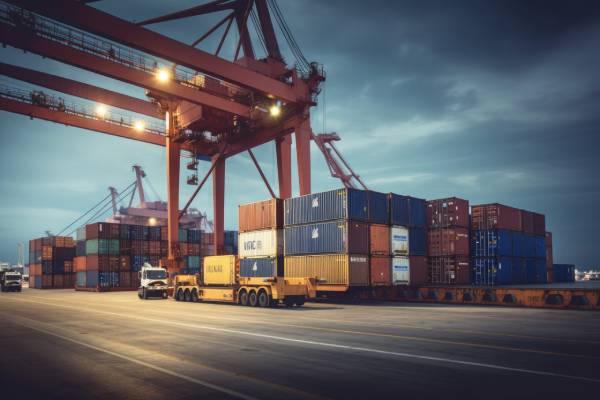
International trading services in the logistics business involve facilitating the buying, selling, and distribution of goods across global markets. These services encompass managing the complexities of international trade, including sourcing, procurement, transportation, customs compliance, and financial transactions. By integrating logistics expertise with trade management, these services enable businesses to expand their global reach, optimize costs, and streamline supply chains.
Key Components of International Trading Services

  • Global Sourcing and Procurement
    • Identifying reliable suppliers and negotiating favorable terms.
    • Managing procurement of raw materials, finished goods, or components from international markets.
  • Freight and Logistics Management
    • Coordinating multimodal transportation (sea, air, road, rail) for timely delivery.
    • Handling warehousing, inventory management, and distribution for international shipments.
  • Customs and Trade Compliance
    • Ensuring adherence to international trade regulations, tariffs, and import/export restrictions.
    • Preparing and managing documentation, including bills of lading, invoices, and certificates of origin.
  • Risk Management
    • Offering trade insurance and risk mitigation strategies for currency fluctuations, market volatility, and supply disruptions.
    • Managing geopolitical and regulatory risks associated with cross-border trade.
  • Market Entry Support
    • Assisting businesses in entering new markets by providing insights on demand, competition, and regulations.
    • Advising on trade agreements, quotas, and incentives.
  • Financial Services
    • Facilitating trade finance options, including letters of credit, payment guarantees, and currency exchange.
    • Providing invoicing solutions for cross-border transactions.
  • Value-Added Services
    • Product labeling, repackaging, and localization to meet specific market standards.
    • Reverse logistics for returns and waste management.

Benefits of International Trading Services

  • Global Market Access: Enables businesses to expand operations and access international customers and suppliers.
  • Cost Optimization: Leverages economies of scale and efficient logistics solutions to reduce costs.
  • Streamlined Operations: Simplifies the complexities of global trade, allowing businesses to focus on core activities.
  • Risk Reduction: Ensures compliance with trade regulations, reducing penalties and delays.
  • Scalability: Supports growth and adapts to dynamic market conditions.

Role of Logistics Providers in International Trading

Logistics providers act as facilitators in international trading by integrating their expertise in transportation, customs clearance, and supply chain management. With advanced technology and global networks, they enable seamless trade flows while ensuring transparency and efficiency.


By combining logistics infrastructure with trade expertise, international trading services empower businesses to thrive in the global marketplace, making it a vital aspect of modern logistics operations.